
Perspective
"Tested" Doesn't Mean Safe.
Kris Alexander
On this page “We do a great job testing.”
Three minutes into the incident call: “It wasn’t our change.”
Spoiler Alert: It was.
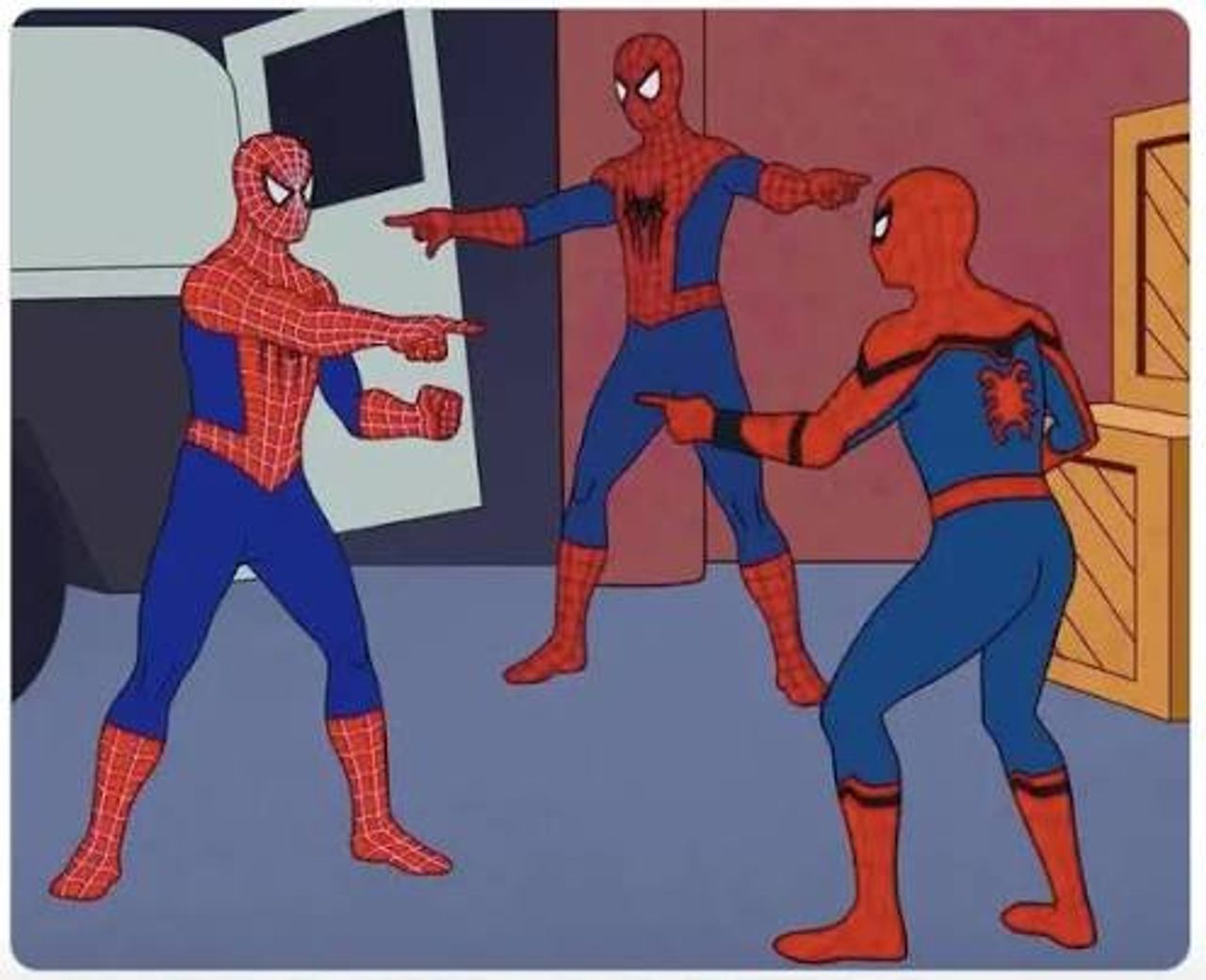
Actual footage from a Fortune 500 incident call.
The tests passed. The reviewers approved it. Your service works.
The service you just took down belongs to somebody else.
You reopen the pull request. Everything still looks right. Because a change can do exactly what you intended and still break production.
“We do a great job testing.”
How far does that coverage reach?
The service three dependencies away? The application another team connected to your database six months ago?
You tighten an IAM policy. Your application keeps its access. Another team’s loses it. Your tests pass, while their service fails.
Side effects don’t give a s**t about your org chart.
And even a thorough review has a shelf life. Another team changes a shared dependency before you deploy. Your diff hasn’t changed. The environment it will affect has.
Same change. Different consequences.
“Our infrastructure is too small.”
Small by what measure? Headcount? Servers? Your cloud bill?
One database can support several services. One DNS record can sit in the path of checkout. One policy can control access for teams you forgot were using it.
That’s plenty of room for an expensive afternoon.
Our “small” demo environment has 1,567 nodes in its infrastructure graph.
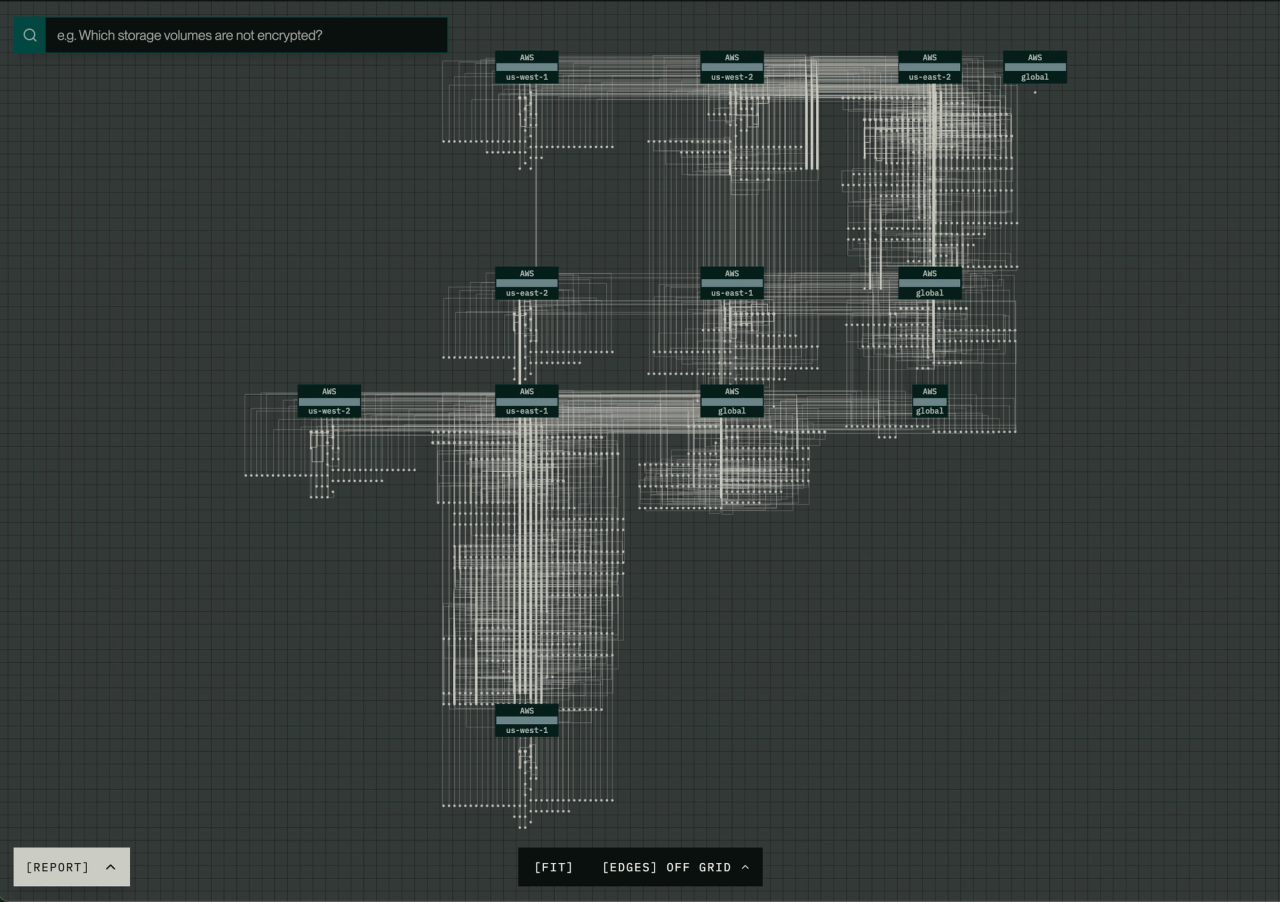
Just the demo.
Count servers, and it looks manageable. Follow the dependencies, and you start seeing how much can break together.
A small environment can put most of the business behind a handful of shared resources. Break one, and everyone gets to meet on the same incident call.
“We’ve never had an issue.”
Yet.
Some failures take their time. You change database access. Your application stays healthy. Three weeks later, Finance runs its quarterly report.
Now you have an issue.
Everyone starts debugging the report. The change that broke it is buried under three weeks of deployments.
Other failures wait for the conditions around them to change.
Microsoft’s preliminary report on its November 12th (2026) outage describes a defect deployed in July that ran for months without observed impact. A Teams failover increased traffic while gateway capacity was reduced, triggering cascading failures. Load testing had missed the defect because the test hardware and traffic mix differed from production. (365fanatic.com)
Three quiet months. Then a global outage.
“It worked yesterday” won’t keep it working tomorrow.
Stop finding out in production.
Before you approve the change, answer this:
What depends on it, and what happens to those systems when it changes?
If you can’t answer, that uncertainty is going into production with your code.
We built Stag to answer that question while you can still do something about it.
Stag keeps a model of your deployed environment current and simulates proposed changes against it. See which systems could fail, slow down, or become exposed—and why. Run it while you code. Adjust the change. Simulate it again. Give reviewers evidence they can act on. (stag.io)
A green build is a good start. It’s a lousy place to stop.
Stag. Make Safe Changes.
To find out more: check out our presentation at Tech Field Day!
So confident, you'll deploy on a Friday
Ready to stop finding out in production?
book a demo